

English Willow Cricket Bat: The Ultimate Guide for Every Cricketer
Cricket is more than just a game—it’s a passion that demands precision, skill, and the right equipment. Among the essentials, the English willow cricket bat stands out as a must-have for serious players. Loved by professionals and amateurs alike, this bat offers unmatched performance and longevity. Whether you are looking to improve your game or find a durable bat for tournaments, understanding the features and benefits of an English willow cricket bat is crucial.
The English willow cricket bat is celebrated for its soft, fibrous structure, which allows the ball to travel faster off the bat while reducing impact on the hands. This feature makes it particularly ideal for facing fast-paced deliveries.
Unlike other types of cricket bats, which may feel stiff or inconsistent, an English willow bat provides a smooth, responsive experience. Whether you are a beginner aiming to learn proper technique or a seasoned player preparing for competitive matches, understanding the nuances of English willow is essential.
In today’s cricketing world, where formats vary from fast-paced T20 matches to strategic Test games, the bat a player uses can significantly influence performance. The right English willow cricket bat ensures optimal control, balance, and power. It allows batsmen to execute a wide range of strokes—whether attacking shots like drives and pulls or defensive strokes that preserve their wicket. Players who invest in quality bats often notice the difference in consistency, shot placement, and overall performance.
This comprehensive guide will explore everything you need to know about English willow cricket bats. From the history of willow in cricket to the manufacturing process, different grades of bats, performance benefits, and maintenance tips, this article aims to provide both beginners and professionals with the knowledge needed to make informed decisions. We will also compare English willow with other types of cricket bat woods, examine popular brands, and provide practical buying tips to ensure you choose a bat that complements your style of play.
By the end of this guide, you will understand why the English willow cricket bat is more than just a piece of equipment—it is an investment in your cricketing journey. Equipped with the right insights, you can select a bat that maximizes your potential, improves your performance, and enhances your enjoyment of the game.
Whether you aspire to play professionally or simply enjoy the sport recreationally, this article will serve as your ultimate resource for everything related to English willow cricket bats.
History of English Willow Cricket Bat
The story of the English willow cricket bat is deeply intertwined with the evolution of cricket itself. Cricket, believed to have originated in England during the 16th century, initially relied on simple wooden bats crafted from local woods. Early bats were rudimentary, often shaped like hockey sticks, designed more for hitting balls along the ground than for advanced shot-making. As the game grew in popularity, the demand for better equipment increased, leading to experimentation with different types of wood to create stronger, more responsive bats.
By the 18th century, willow emerged as the preferred material for high-quality cricket bats. Specifically, English willow, a variant of Salix alba caerulea, was discovered to offer unique properties that other woods could not match. Its soft yet resilient fibers provided an ideal balance between flexibility and strength. Players noticed that bats made from English willow allowed the ball to rebound faster, giving their shots more distance and power. This characteristic became particularly valuable as bowlers started delivering faster and more challenging deliveries.
The 19th century saw significant improvements in cricket bat design. Manufacturers began to refine the shape and thickness of bats, experimenting with edges, shoulders, and sweet spots. The English willow became the standard wood for professional-level bats due to its consistent quality and superior performance. During this time, cricket clubs and professional players placed a premium on bats with straight grains, which indicated strong, durable wood. A bat with 8–12 straight grains became synonymous with quality and was highly sought after by top-level cricketers.
Famous cricketers in the early 20th century, such as W.G. Grace, helped elevate the status of the English willow cricket bat. Grace, known for his exceptional technique and innovative strokes, preferred bats made from high-grade English willow. His success inspired manufacturers to focus on producing bats that met the precise needs of professional players.
Gradually, the bat evolved from a simple tool into a piece of finely crafted sporting equipment. By the mid-20th century, the English willow cricket bat had cemented its reputation as the gold standard for cricket bats worldwide.
The post-war era brought about industrialization in bat production, but quality remained paramount. Hand-pressed English willow bats became highly prized for their soft touch and superior responsiveness. Manufacturers continued to classify bats by grades, from premium Grade 1 to more affordable Grade 3 options, ensuring that players at every level could access the performance benefits of English willow. Innovations in bat profiles, such as thicker edges and larger sweet spots, were introduced to match modern playing styles, especially in limited-overs cricket where power-hitting became essential.
In recent decades, the English willow cricket bat has adapted to the fast-paced demands of modern cricket. The advent of T20 leagues and high-scoring matches required bats that could deliver maximum power without compromising control. Players like Sachin Tendulkar, Brian Lara, and Virat Kohli have endorsed English willow bats, highlighting their exceptional balance and performance. Today, the craftsmanship of English willow bats combines traditional hand-pressing techniques with modern engineering, ensuring that every bat meets professional standards.
Interestingly, the history of the English willow cricket bat is not just about materials and technology; it is also about the culture of cricket. The bat represents tradition, skill, and dedication. Every professional cricketer understands that choosing the right bat can influence their performance and confidence. From humble beginnings in English villages to global stadiums, the English willow cricket bat has consistently been a symbol of quality and excellence in the sport.
In conclusion, the English willow cricket bat has a rich history that mirrors the evolution of cricket itself. From early wooden sticks to finely crafted bats used by modern professionals,
English willow has proven to be the preferred choice for players seeking durability, power, and precision. Understanding this history not only enhances appreciation for the bat but also guides players in choosing equipment that aligns with their skills and playing style.
The Wood of Champions
English willow is renowned for its soft yet resilient structure. Unlike other woods, it has long, fibrous grains that absorb shock efficiently. This reduces the vibrations that reach a batsman’s hands when striking a fast delivery.
The softness of the wood does not compromise strength; in fact, it provides excellent rebound, meaning the ball travels faster off the bat. This combination of flexibility and toughness is unmatched, making it ideal for professional cricket.
Another key feature of English willow is its natural moisture content. The wood has a balanced level of water that maintains elasticity. This helps the bat endure repeated impacts without cracking. Over time, as the bat is knocked-in and oiled, it becomes even more responsive, allowing the batsman to enjoy better stroke control and power.
2. Grain Patterns and Quality Indicators
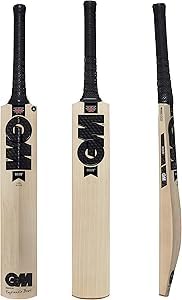
One of the most critical aspects of an English willow cricket bat is its grain pattern. Grains are the lines visible on the bat’s face, and their alignment and number indicate the quality of the wood. Generally, bats with 8–12 straight grains are considered top-grade. Fewer grains may indicate faster performance but shorter longevity, while too many grains can make the bat less responsive.
Straight, even grains suggest that the wood has grown uniformly, providing consistent performance across the bat’s face. Curved or uneven grains, on the other hand, may lead to weaker spots that affect durability. Experienced players often check the grains before purchasing, as this can determine the bat’s lifespan and hitting capability.
3. Grades of English Willow
Manufacturers classify English willow bats into different grades based on grain appearance, purity, and performance characteristics. Understanding these grades helps players choose a bat that aligns with their playing style and budget.
Grade 1 Willow: This is premium-quality wood with 8–12 straight grains. It is typically hand-selected for professional use and offers the best balance of power and control. The bat is soft initially but becomes highly responsive after proper knocking-in.
Grade 2 Willow: Slightly lower in grain count or minor imperfections, Grade 2 is suitable for semi-professional players. It still provides excellent performance but at a more affordable price point.
Grade 3 Willow: Often used by beginners or recreational players, Grade 3 bats have visible imperfections and fewer grains. While not as high-performing, they are durable enough for practice and casual play.
Some manufacturers also include Grade 1+ for exceptionally high-quality wood with nearly perfect grains. These bats are rare and often carry a premium price tag.
4. Hand-Pressed vs Machine-Pressed Bats
The way an English willow bat is pressed significantly affects its performance. Pressing compresses the wood fibers, enhancing the bat’s power and responsiveness.
Hand-Pressed Bats: Skilled craftsmen press these bats manually using a mallet. This gentle technique preserves the natural softness of the willow, resulting in better rebound once the bat is broken in. Hand-pressed bats are preferred by professionals for their superior touch and control.
Machine-Pressed Bats: Modern machinery applies uniform pressure to the wood, making it harder and ready for use sooner. Machine-pressed bats are ideal for beginners or players who want a bat that performs immediately without extended knocking-in.
What Makes English Willow Special?
English willow, also known as Salix alba caerulea, is a high-quality wood used exclusively for premium cricket bats. Unlike other types of wood, English willow has a soft texture that absorbs shock efficiently, reducing the strain on a batsman’s hands. This characteristic is particularly important for players facing fast bowlers. The willow’s fibrous structure also provides excellent rebound, allowing the ball to travel faster and farther when struck.
One significant advantage of English willow is its grain pattern. A bat with straight, even grains ensures maximum performance and durability. The number of grains on a bat can indicate its quality—the higher the grains, the better the bat’s response. Professional cricketers often prefer bats with 8–12 grains, as these offer a perfect balance between power and control.
Types of English Willow Cricket Bats
When choosing an English willow cricket bat, you will encounter different types. These types vary in willow grade, pressing technique, and finish. Common classifications include:
Grade 1 Willow – Premium bats with perfect grains and superior performance. Ideal for professionals.
Grade 2 Willow – Slightly lower in grains but still offers excellent power and durability. Suitable for semi-professional players.
Grade 3 Willow – Budget-friendly options for beginners or casual cricketers.
Additionally, bats can be classified by pressing method: hand-pressed or machine-pressed. Hand-pressed bats are softer initially but take longer to settle, providing a more responsive performance once broken in. Machine-pressed bats are harder and ready to use sooner, offering durability from the start.
Choosing the Right Size and Weight of the english willow cricket bat .
Selecting the correct size and weight of an English willow cricket bat is as important as choosing the right grade. A bat that is too heavy may affect your swing, while a light bat might lack power. Generally, adult bats range from 2 lb 7 oz to 3 lb, with junior sizes available for younger players. It’s crucial to hold the bat and test its balance before making a purchase. The sweet spot, or the point where the ball hits most effectively, should align with your batting style for optimal performance and great strategies.
Performance Benefits of English Willow Cricket Bats
Powerful Shots – The soft fibers of English willow allow for maximum ball rebound, enabling more powerful strokes.
Durability – With proper care, these bats can last several seasons without losing performance.
Lightweight Handling – English willow bats offer excellent maneuverability, making them ideal for quick reactions.
Shock Absorption – Reduces vibrations on impact, protecting your hands from fast deliveries.
Professional cricketers worldwide prefer English willow cricket bats because they offer a consistent performance in all conditions. The bat’s high responsiveness ensures that players can adapt their shots, whether facing spin or pace bowling.
Maintaining Your English Willow Bat
Proper maintenance is key to extending the life of your bat. Here are essential tips:
Knocking-In – Before use, gently knock the bat with a mallet to compress fibers and enhance performance.
Oiling – Apply raw linseed oil lightly to maintain moisture and prevent cracks. Avoid over-oiling.
Avoid Water – Keep your bat away from moisture, as water can damage the willow.
Storage – Store in a cool, dry place and avoid leaving it in direct sunlight.
Regular maintenance ensures your English willow cricket bat remains in top condition, allowing you to enjoy its full potential for years.
Popular Brands and Models
Several brands specialize in high-quality English willow cricket bats. Popular options include:
Kookaburra – Known for their balanced bats with consistent grains.
Gray-Nicolls – Offers bats with a perfect blend of power and control.
SG (Sanspareils Greenlands) – Famous for durable bats suited for all playing levels.
SS (Sareen Sports) – Preferred by many professional players for premium willow.
Each brand provides various models to suit different playing styles, from aggressive stroke makers to defensive players.
Tips for Buying an English Willow Cricket Bat
Test the Grip – Ensure the handle fits comfortably in your hands.
Check the Sweet Spot – A well-placed sweet spot enhances shot power
English Willow Cricket Bat
.
Examine the Grain – Straight grains indicate better quality and durability.
Consider Your Style – Aggressive players may prefer thicker edges, while defensive players may go for lighter bats.
Budget Wisely – Investing in a quality bat is worthwhile, but ensure it suits your playing frequency and style.
English Willow Bat vs. Kashmir Willow Bat comparison
Many beginners wonder about the difference between English and Kashmir willow bats. English willow is softer, more responsive, and offers superior performance, especially for professional-level cricket. Kashmir willow, though more affordable, is harder and less forgiving on the hands. Players aiming for competitive cricket almost always choose English willow for its unmatched quality.
The Role of English Willow in Modern Cricket
In modern cricket, where speed, power, and precision matter, the English willow cricket bat plays a pivotal role. Players use these bats not only in Test matches but also in T20 and One Day Internationals, where quick reflexes and controlled power are essential.
From young aspirants to seasoned professionals, an English willow bat provides the confidence and performance required at every level.
Conclusion
Investing in an English willow cricket bat is investing in your cricketing journey. Its superior quality, durability, and responsiveness make it a preferred choice for players worldwide.
Understanding the types, maintenance, and features of English willow ensures you choose a bat that complements your style and enhances your performance. Whether you are a budding cricketer or a seasoned professional, the right English willow bat can elevate your game and make every shot count.




Leave A Comment